Safe & Comfortable Extractions

Tooth Extraction

Gentle, considered care when a tooth needs to be removed.

Safe & Comfortable Extractions

Careful care,
when it’s needed.

At Acme Dental, our priority is always to preserve your natural teeth whenever possible. However, there are situations where removing a tooth may be the most appropriate option for your oral health.

If you have a damaged, decayed, infected or painful tooth, Dr Ahalya will carefully assess it and discuss your treatment options with you. If an extraction is recommended, we’ll explain what to expect and focus on making your experience as comfortable as possible.
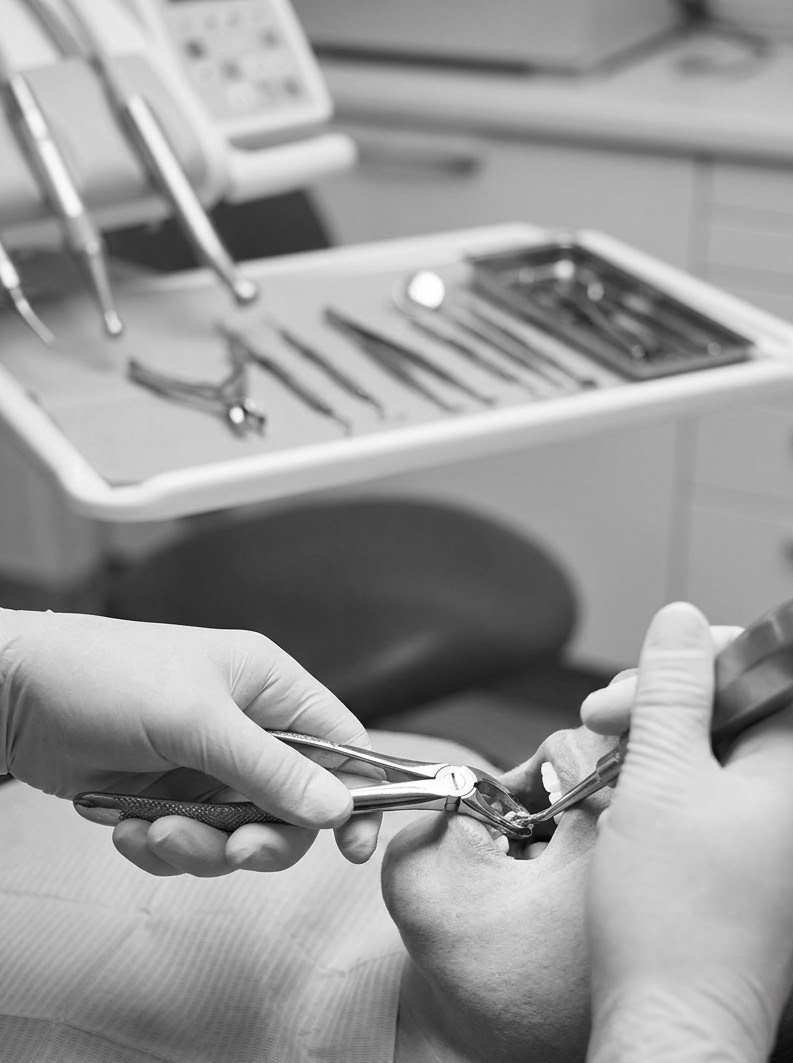
Tooth extraction procedure at Acmē Dental
When It May Be Needed

When Might a Tooth
Need to Be Removed?

  • Severe tooth decay
  • A badly broken or damaged tooth
  • Dental infection or abscess
  • Advanced gum disease
  • A loose or non-restorable tooth
  • Certain orthodontic or treatment requirements
  • Other situations where preserving the tooth may not be appropriate

Where possible, we’ll also discuss alternatives to extraction before proceeding.

The Process

What Happens During an Extraction?

01

Examination & Assessment

Dr Ahalya will examine the tooth and surrounding area. Dental X-rays may be taken to understand its position and determine the appropriate approach.

02

Discussing Your Options

We’ll explain what we’ve found, whether the tooth can potentially be saved, and why an extraction may be recommended.

03

Removing the Tooth

The area is numbed using local anaesthetic before the tooth is carefully removed, with a focus on keeping you comfortable throughout.

04

Aftercare

We’ll provide clear instructions on how to look after the area following your extraction and what to expect during recovery.

Recovery

What Should I Expect Afterwards?

Some tenderness, swelling or minor bleeding can occur following a tooth extraction. We’ll provide personalised aftercare instructions, which may include advice around:

  • Caring for the extraction site
  • Eating and drinking
  • Brushing and oral hygiene
  • Managing discomfort
  • Activities to avoid during early healing
  • When to contact us if you’re concerned

Following your aftercare instructions is important for supporting normal healing.

01

After a Tooth Is Removed

Not every extracted tooth needs to be replaced, but leaving a gap may affect your bite, appearance or neighbouring teeth. Where appropriate, Dr Ahalya can discuss options for replacing a missing tooth.

02

Could the Tooth Be Saved?

It’s important to have dental pain or infection assessed rather than waiting for it to worsen. Sometimes a tooth can be saved with a filling, crown or root canal treatment. If extraction is the most appropriate option, we’ll explain why.

Common Questions

We’ve got answers.

The area is fully numbed with local anaesthetic before extraction, so you shouldn’t feel pain during the procedure itself. Some soreness and swelling afterward is normal and manageable with the aftercare guidance we provide.

Most people feel back to normal within a few days, though full healing of the extraction site can take a couple of weeks. We’ll give you specific aftercare instructions for diet, hygiene, and pain management.

Wherever possible, we look at options like root canal treatment or a crown to save your natural tooth before recommending extraction — removal is only suggested when the tooth genuinely can’t be restored.

Depending on your situation, options can include a dental bridge, a denture, or a dental implant. We’ll talk through what suits your bite and long-term goals at your appointment.

We assess wisdom teeth as part of a general check-up and can advise whether yours can be managed in-clinic or whether referral to a specialist is more appropriate for complex cases.

Stick to soft, cool foods for the first day or two — think yoghurt, mashed potato, and smoothies — and avoid hot drinks, alcohol, and using a straw, which can disturb healing.

Need a Tooth Assessed?

Dr Ahalya will examine your tooth, explain the available options and help you make an informed decision about your dental care.

Call Now WhatsApp Us